Read a dehumidifier capacity with its test conditions
Litres per day needs temperature, humidity and a consistent source before it becomes a useful comparison.
Updated:
Keep the condition beside the number
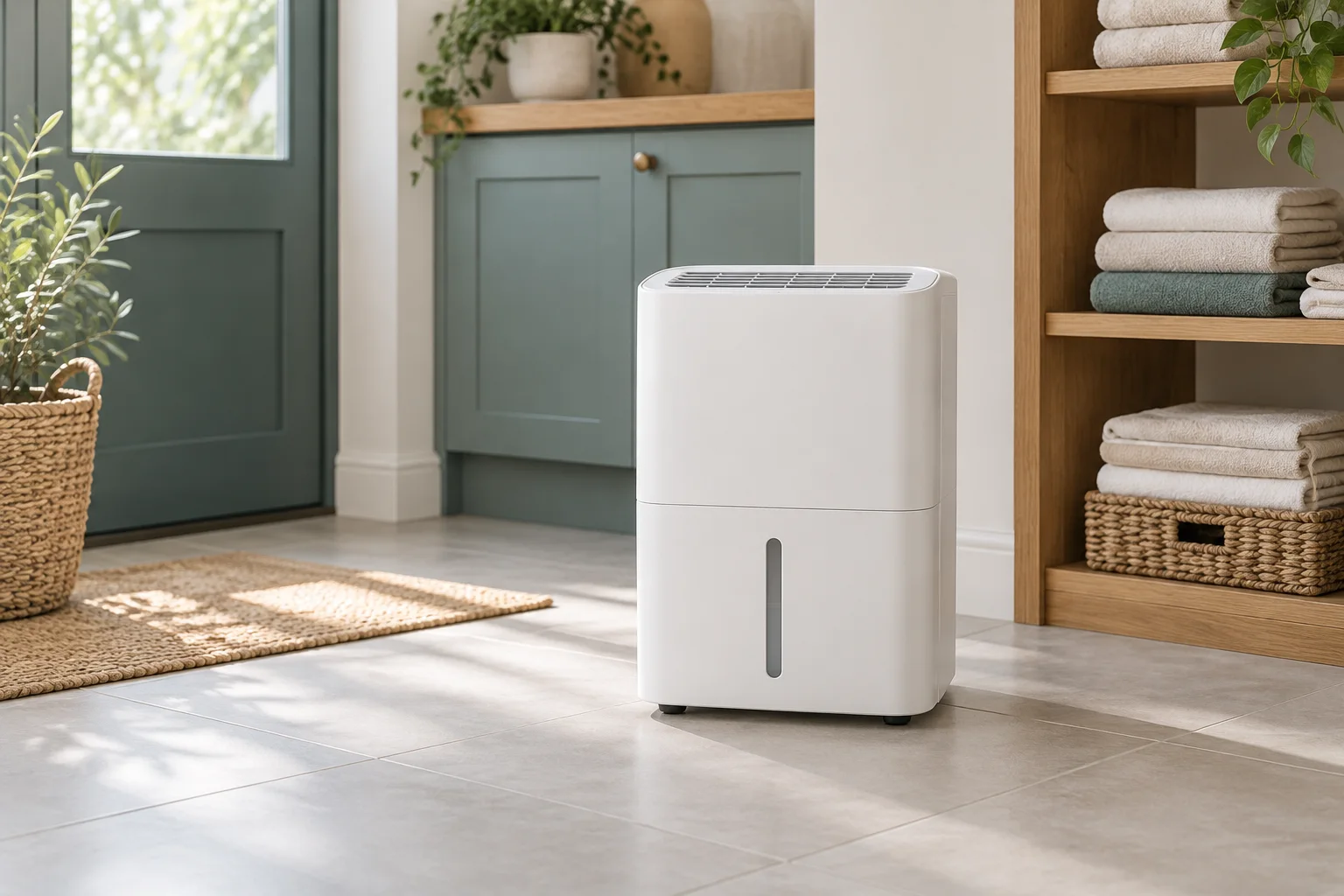
Meaco's 12L Low Energy page publishes extraction figures at different temperatures and relative humidities. A litres-per-day headline therefore needs its conditions attached. Do not read a model name as a promise that the same quantity will be collected in every room, on every day or at every setting.
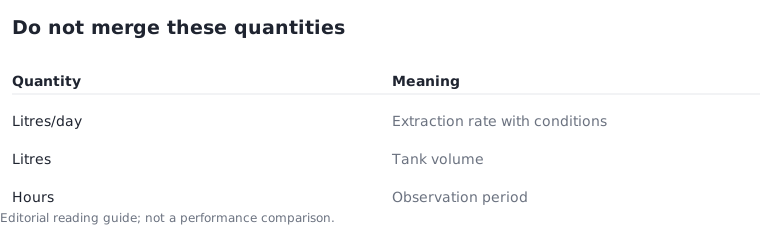
Create a comparison row with the exact model, water-removal rate, temperature, relative humidity and source date. Keep the unit written out at least once so it cannot be confused with tank capacity. A daily extraction figure describes a rate under stated conditions; a tank volume describes a container. They answer different practical questions.
Meaco UK: 12L Low Energy specifications ?
Record conflicts instead of choosing a favourite
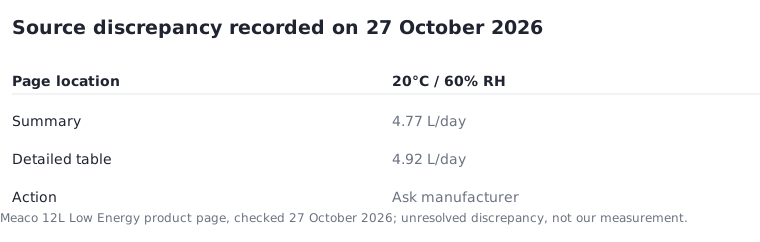
When checked on 27 October 2026, that manufacturer's page displayed 4.77 L/day in its summary at 20°C and 60% RH, while its detailed table displayed 4.92 litres/day for the same stated conditions. The discrepancy is small enough to miss but real enough to record. We have not silently selected one as the definitive value.
For a purchase that depends on the figure, save both references and ask the manufacturer which specification applies to the exact unit. Do not average conflicting claims or treat a newer-looking page section as automatically authoritative. This is a source-quality check, not a conclusion that the appliance is faulty or that either figure has been independently tested by this site.
Meaco UK: 12L Low Energy specifications ?
Distinguish a day from a short observation
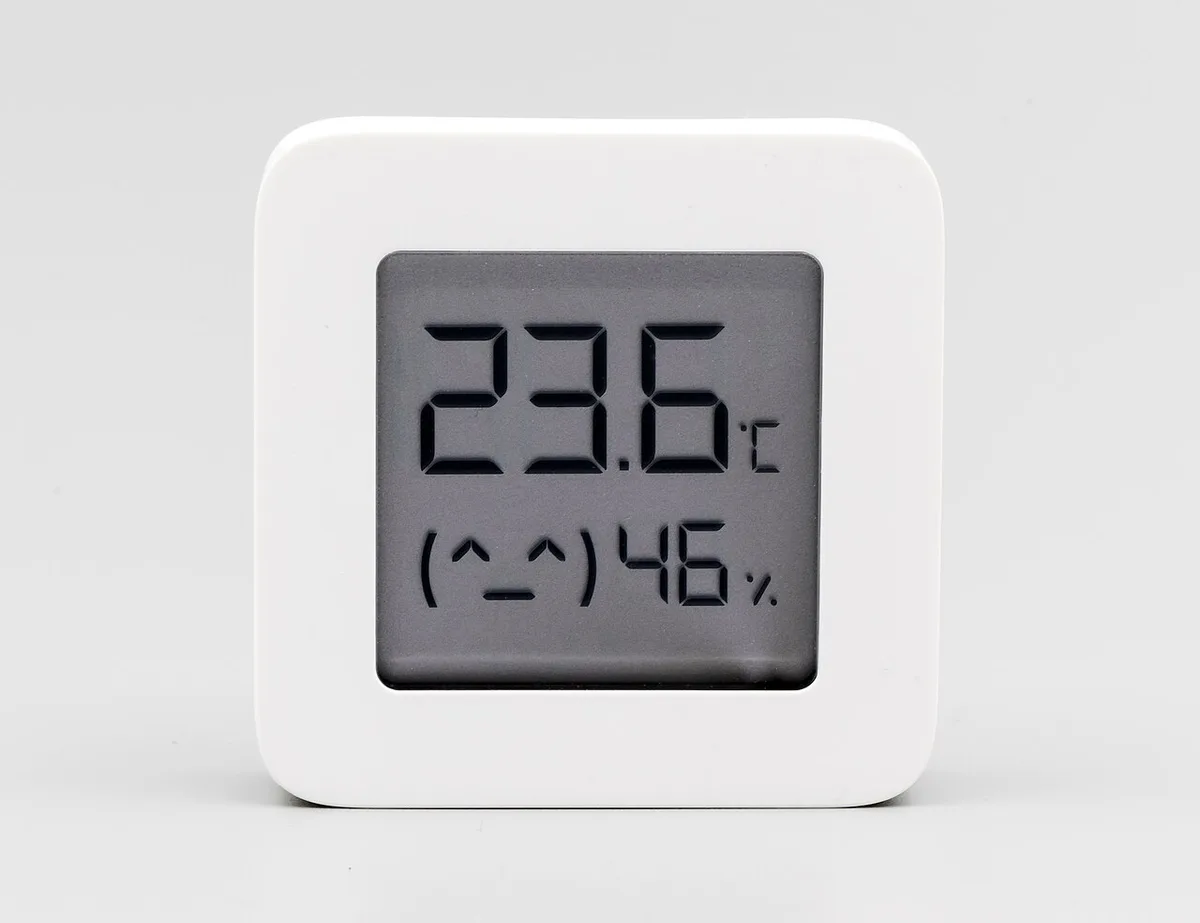
A rate expressed per day has a 24 hours time basis. Your own observation over 2 hours is a shorter record under changing conditions. Multiplying a short collection by twelve may produce arithmetic, but it does not establish that the same rate would continue through the rest of the day.
If you keep a household log, record the start and end times, settings and relevant room observations. Avoid making an experiment out of a building problem or delaying a necessary inspection while waiting for a tank to fill. The log can help describe what happened; it cannot diagnose the source of damp or certify that it has been addressed.
Separate collection from convenience
A hypothetical appliance with a 2 L usable tank and another with a 4 L usable tank present different emptying arrangements, but those volumes alone do not rank their extraction performance. Actual collection and the full-tank behaviour depend on the model and conditions. Do not calculate a guaranteed emptying interval from unrelated headline figures.
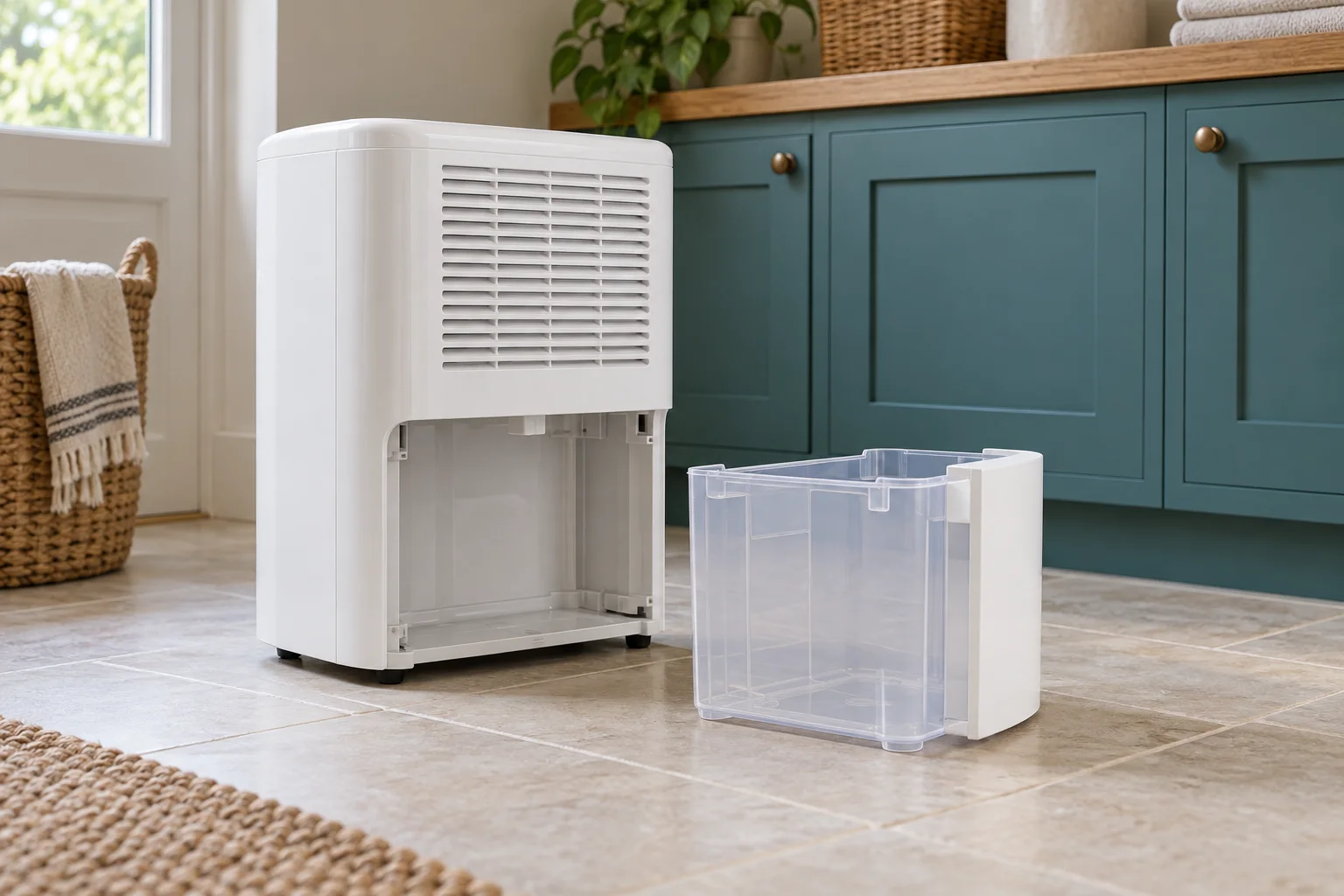
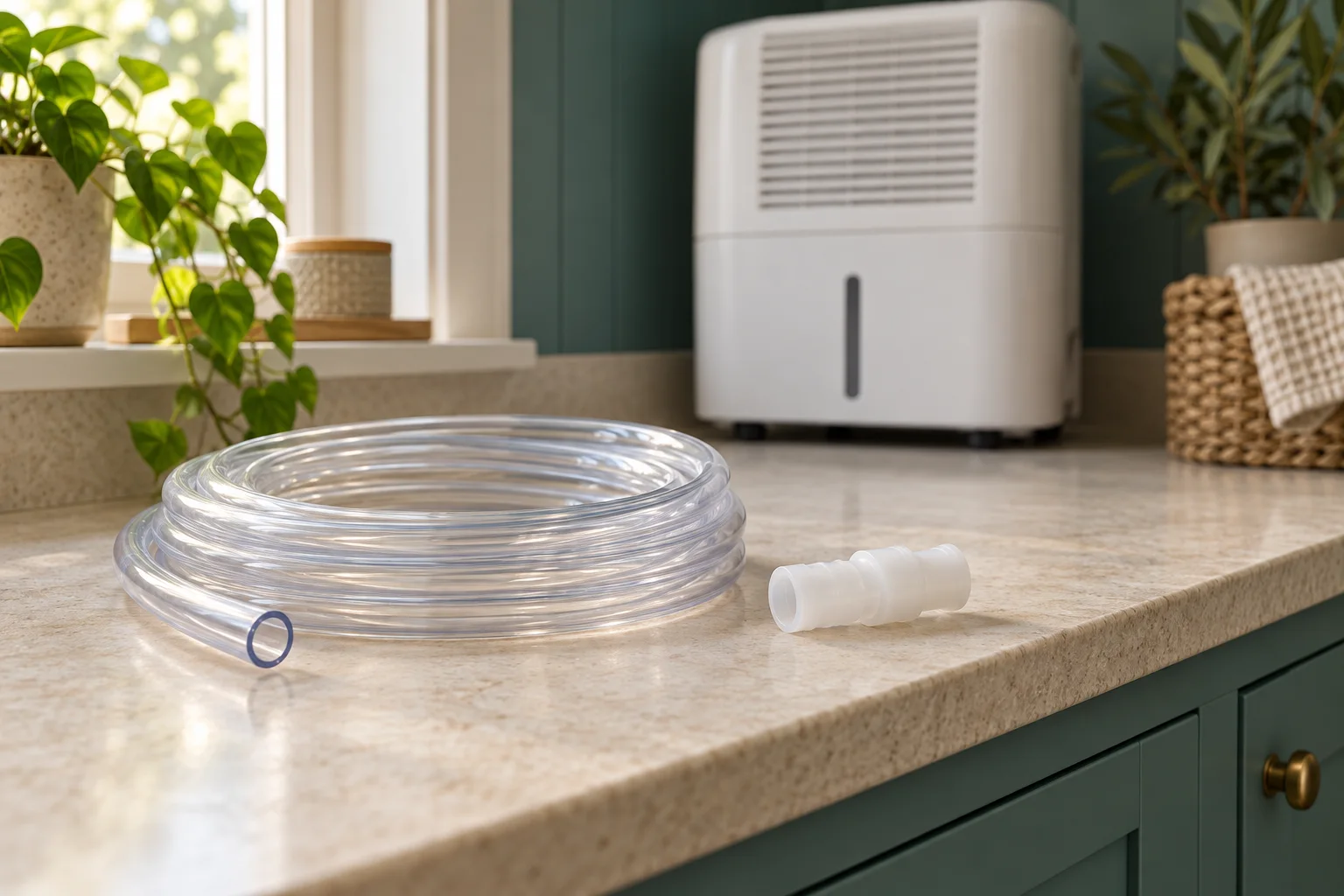
Check where the tank pulls out, whether you can carry it comfortably and what the instructions say about the float and reinsertion. If continuous drainage is an option, it introduces its own route and installation questions. Keep these convenience checks in a separate section of the comparison rather than allowing them to overwrite the capacity evidence.
Make the final comparison traceable
Use 3 steps before comparing two capacity claims: match the temperature, match the humidity, then check the model and operating conditions. If the sources do not provide a comparable row, state that the comparison is incomplete. A blank cell is better than an implied equivalence that the documents do not support.
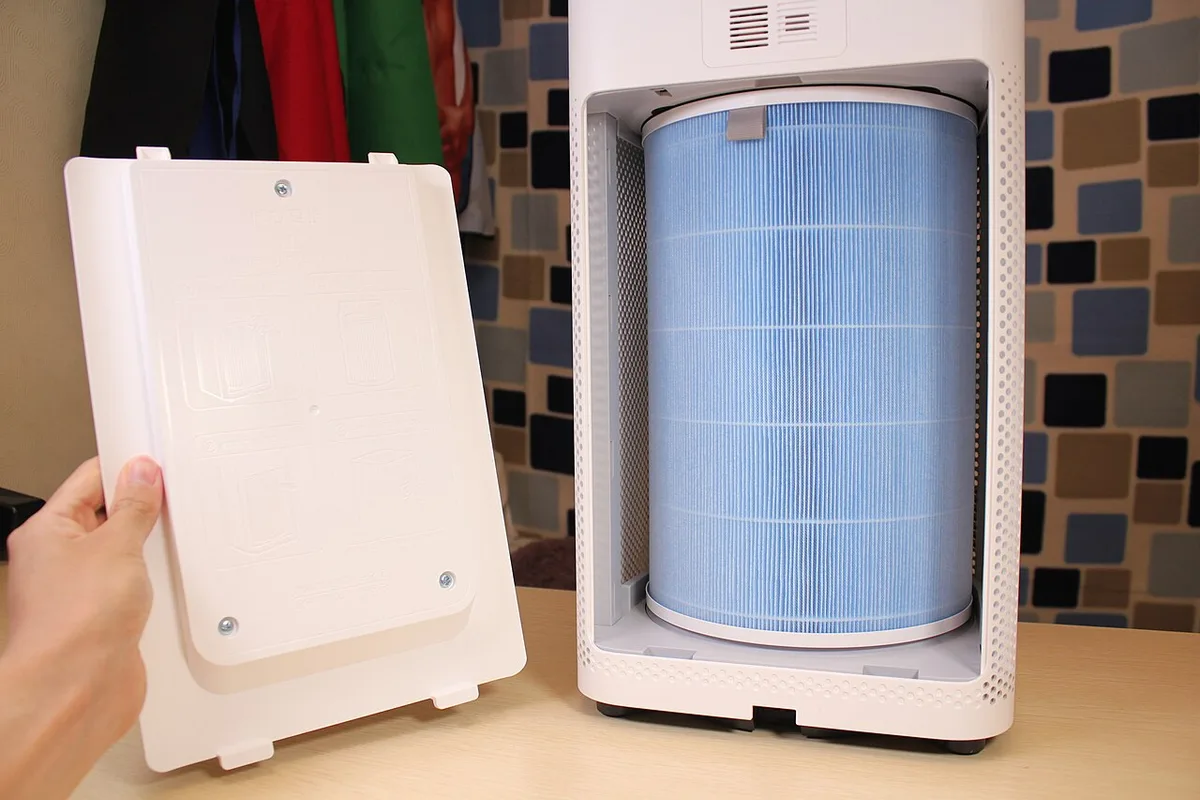
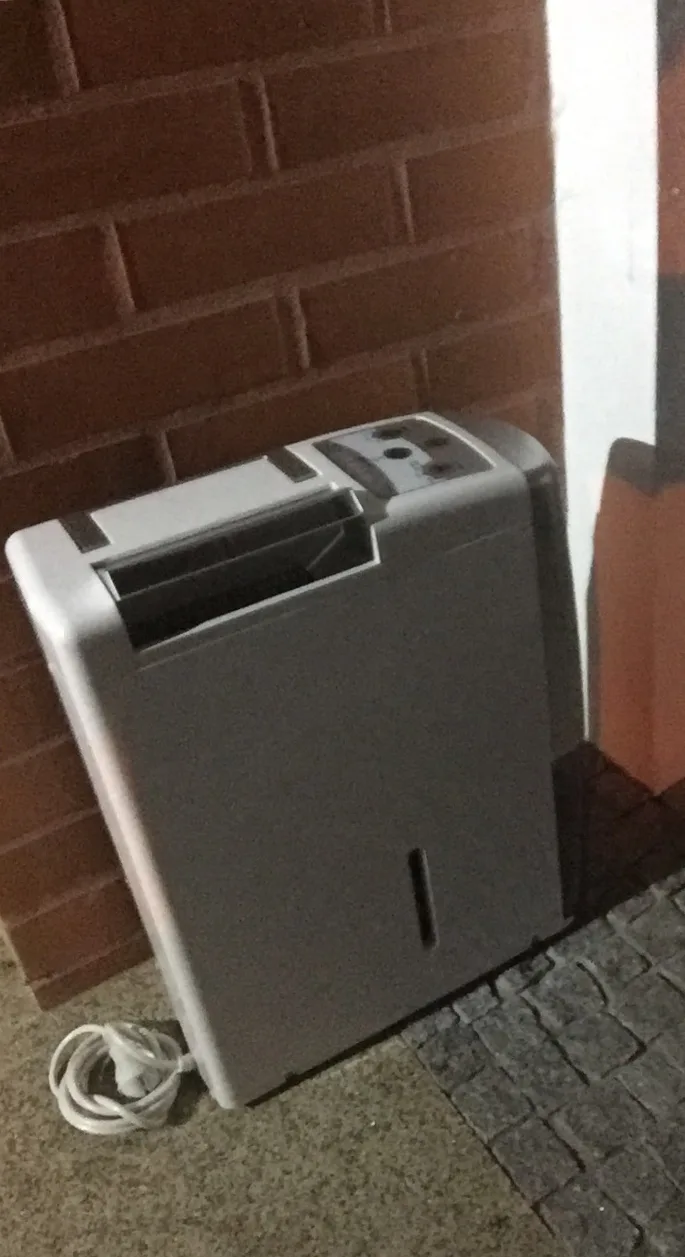
The historical dehumidifier and humidity-display photographs show the physical appliance and a separate measurement. They are not a capacity test. The purifier filter photo illustrates another appliance function that should not be confused with moisture extraction. Save your sources and unresolved questions so that the final buying decision can be revisited when better information arrives.