Build an annual filter allowance from the exact replacement part
Separate annualised cost from purchase dates, pack quantities and model-specific replacement guidance.
Updated:
Identify the item before the price
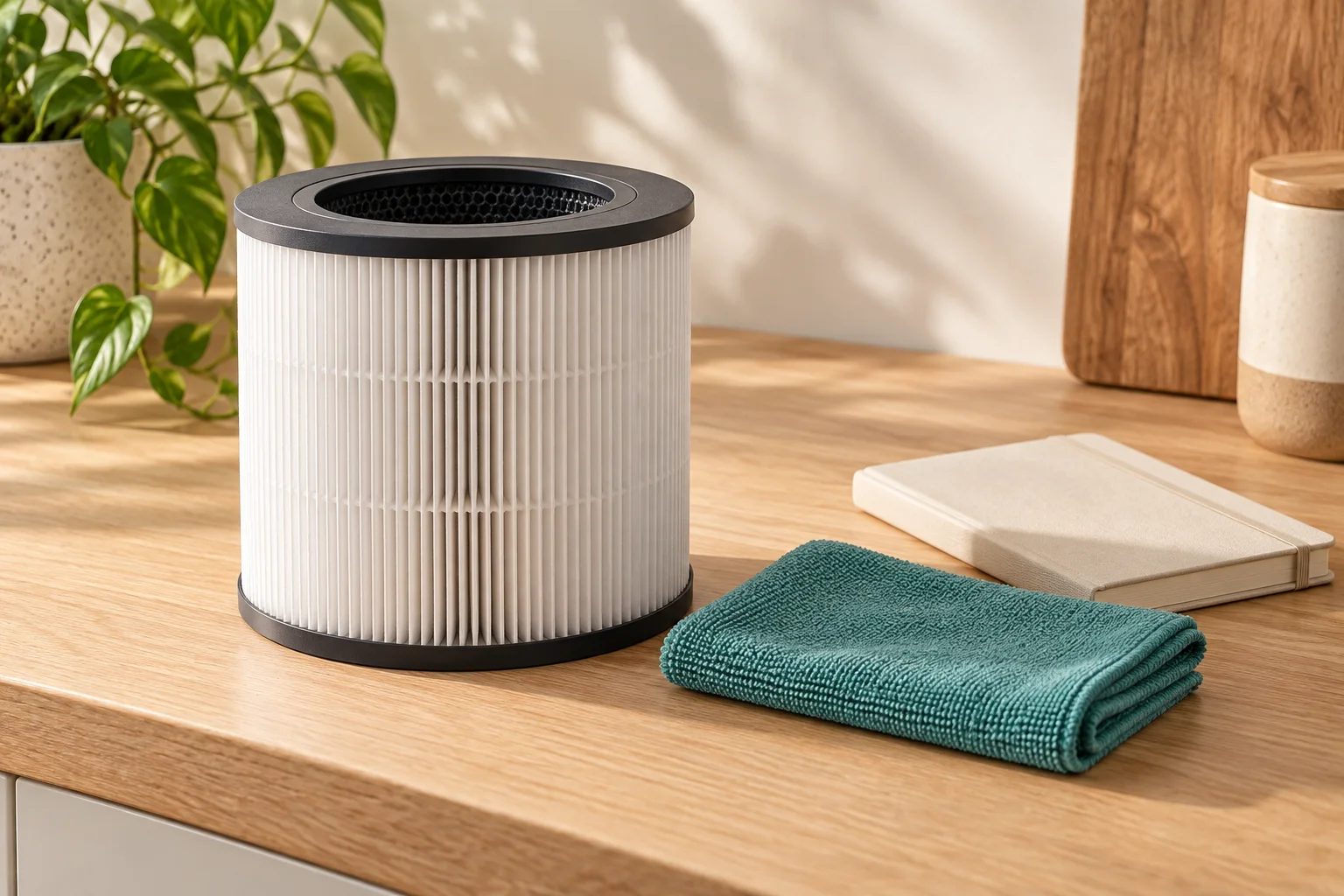
A filter allowance starts with the correct part, not a search result that looks similar. Philips' support guidance distinguishes pre-filter cleaning from replacement of other filter types, with the details depending on the model. That distinction matters to the budget: a maintenance task and a replacement purchase are not interchangeable entries.
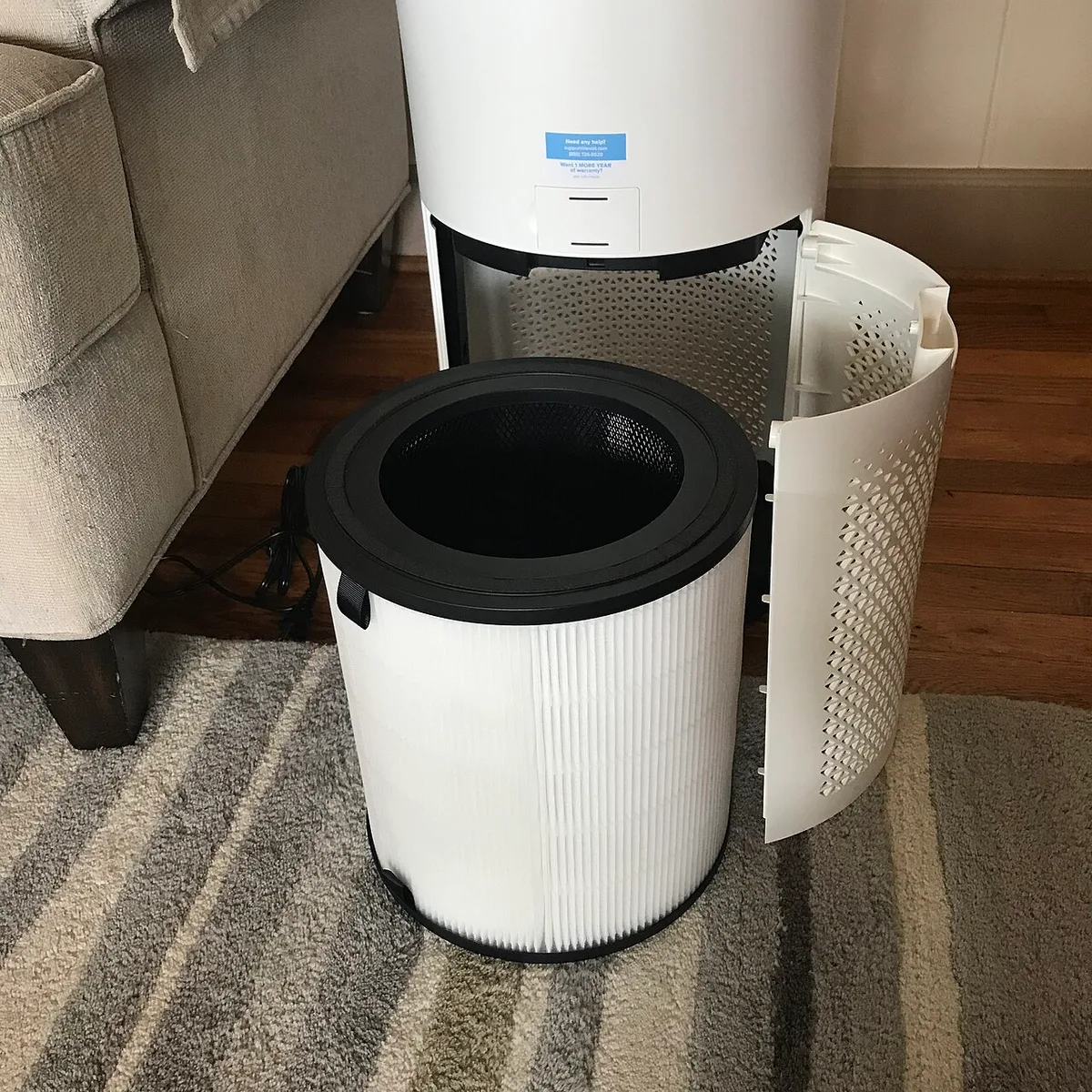
Record the appliance's full model identifier, the documented replacement code and what is included in the pack. Keep the manual link beside those details. A cylindrical shape or similar colour is not enough to establish a match. If the manufacturer lists several components with different schedules, give each one its own row rather than treating them as a single generic filter.
Philips UK: cleaning filters and pre-filters ?
Use an explicit planning interval
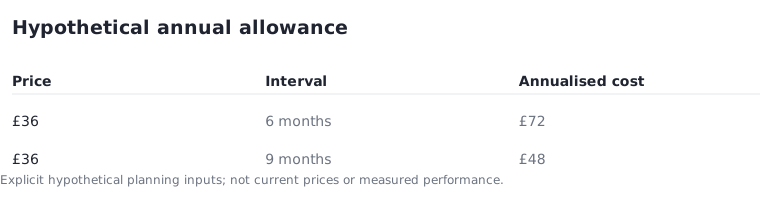
Assume one hypothetical replacement costs £36 and your planning interval is 6 months. The annualised allowance is £36 multiplied by 12 and divided by 6, which gives £72. At an assumed interval of 9 months, the same calculation gives £48. These are budgeting examples, not a recommendation to replace a particular filter on either schedule.
Use the actual manual, indicator instructions and operating context to decide what assumption belongs in your sheet. If the interval is uncertain, keep two scenarios rather than presenting one exact-looking total. Label the date on which you checked the price, and revisit it before purchasing instead of treating an old allowance as a current quote.
Count the contents of the pack
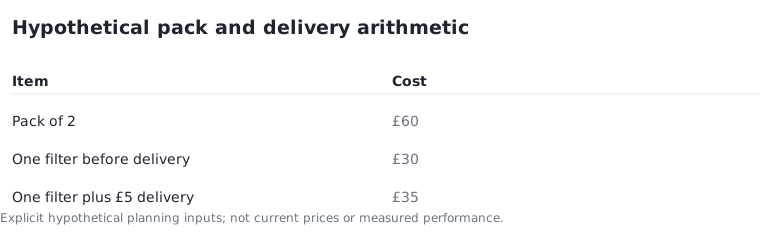
Imagine a hypothetical pack costs £60 and contains 2 identical replacement filters. The simple unit price is £30 before delivery. If your device uses one at a time, do not enter the entire pack price as the price of each filter. Conversely, if a replacement operation needs two different components, include both actual costs.
Read the product description carefully for whether the pack is a pair, a combined filter or a bundle with accessories. Store the listing link with your calculation. A cheaper-looking headline can represent a different quantity, and an annual allowance built from the wrong quantity remains wrong even when the multiplication is perfect.
Separate the allowance from cash purchases
An interval of 9 months does not mean you can buy one third of a filter. Annualising spreads a recurring cost over time; the money actually spent in a calendar year depends on purchase dates and stock already owned. Keep a simple dated purchase list if you need to plan cash rather than compare long-term assumptions.
Delivery charges can also change the result. A hypothetical £5 delivery charge attached to a £30 filter makes that particular purchase £35. Do not assume a free-delivery threshold will stay available, or buy extra stock without checking suitable storage and the likelihood that you will continue using the same appliance.
Keep the budget easy to revise
Save 3 records: the part identification, the price evidence and the interval assumption. Add a note explaining why you chose the interval and what would make you change it. This makes the allowance useful after the initial purchase, particularly if a product line or replacement-pack size changes.
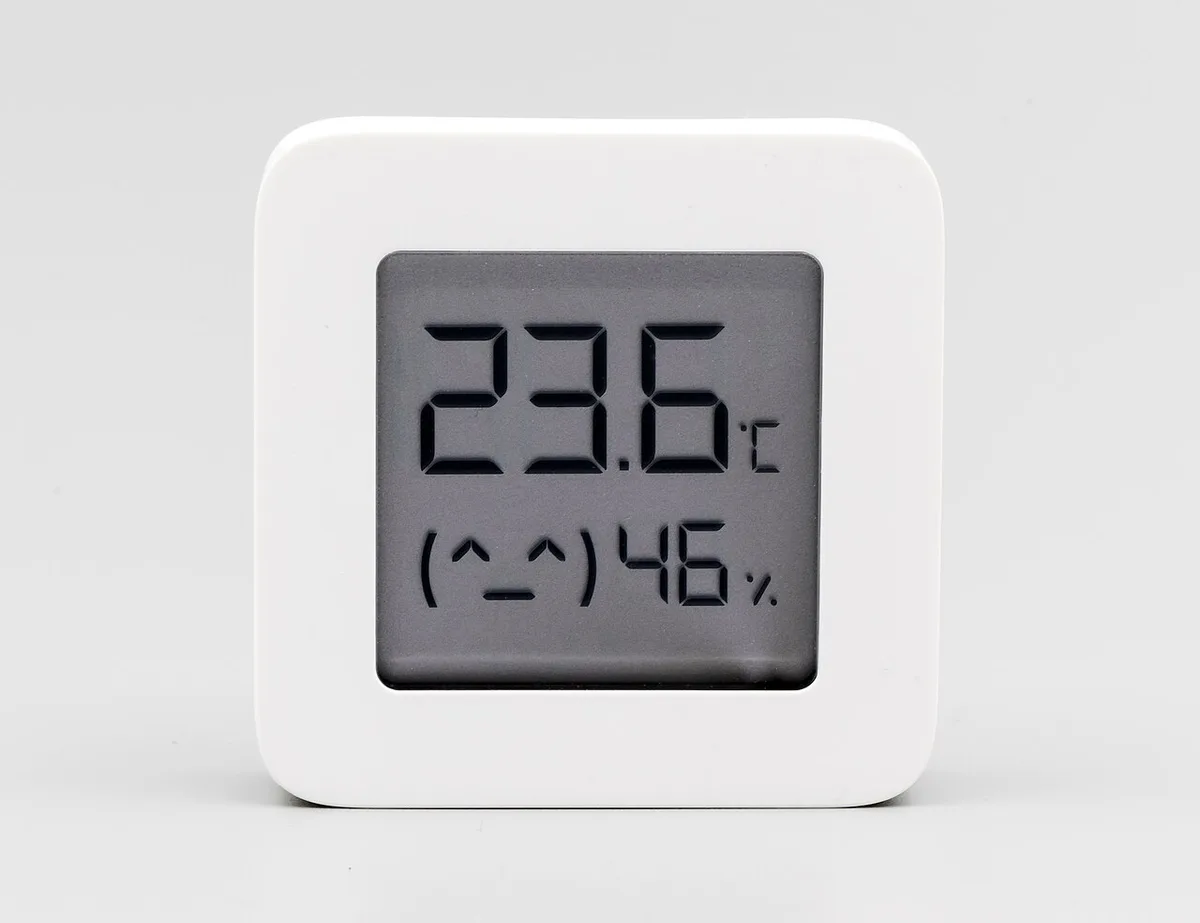
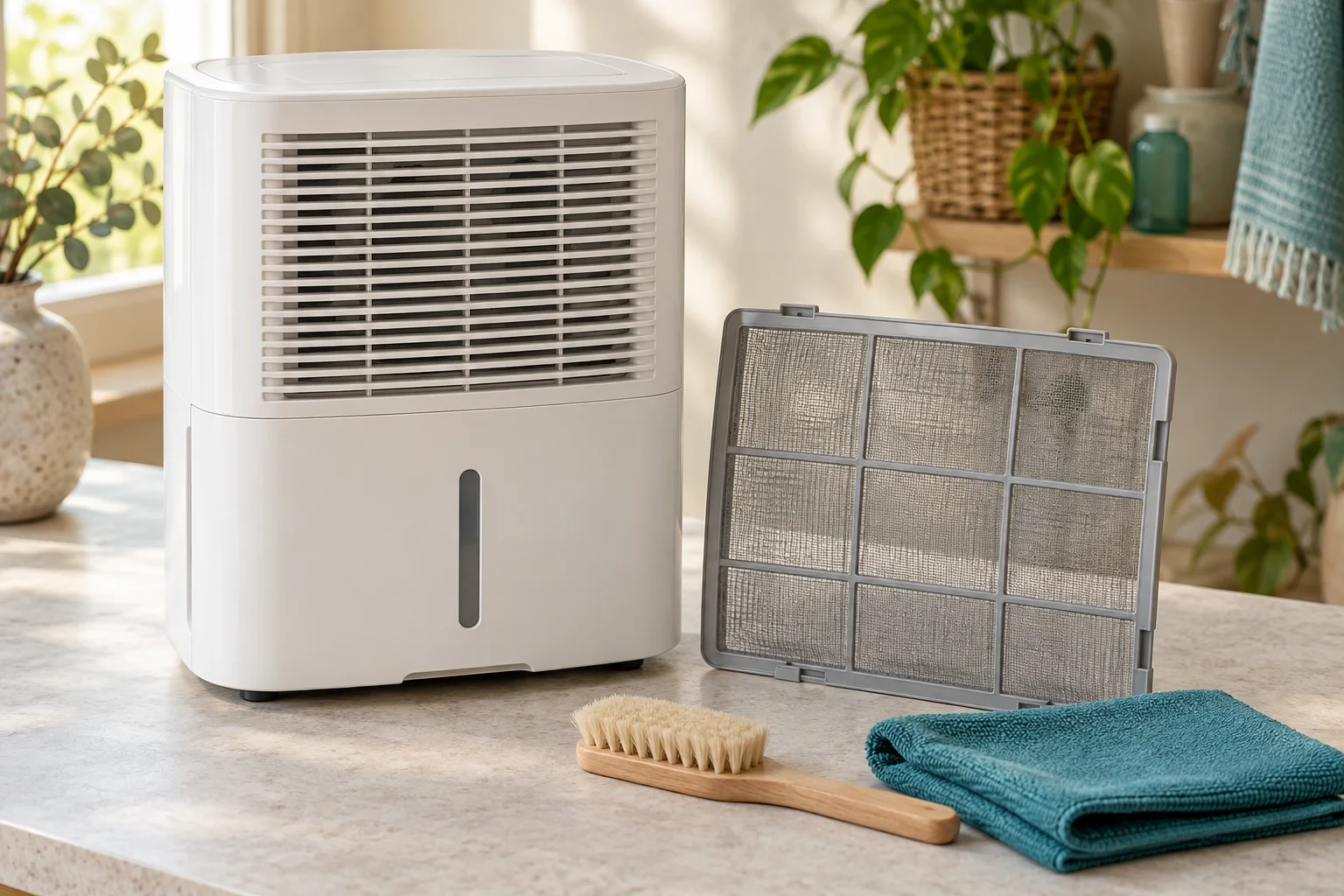
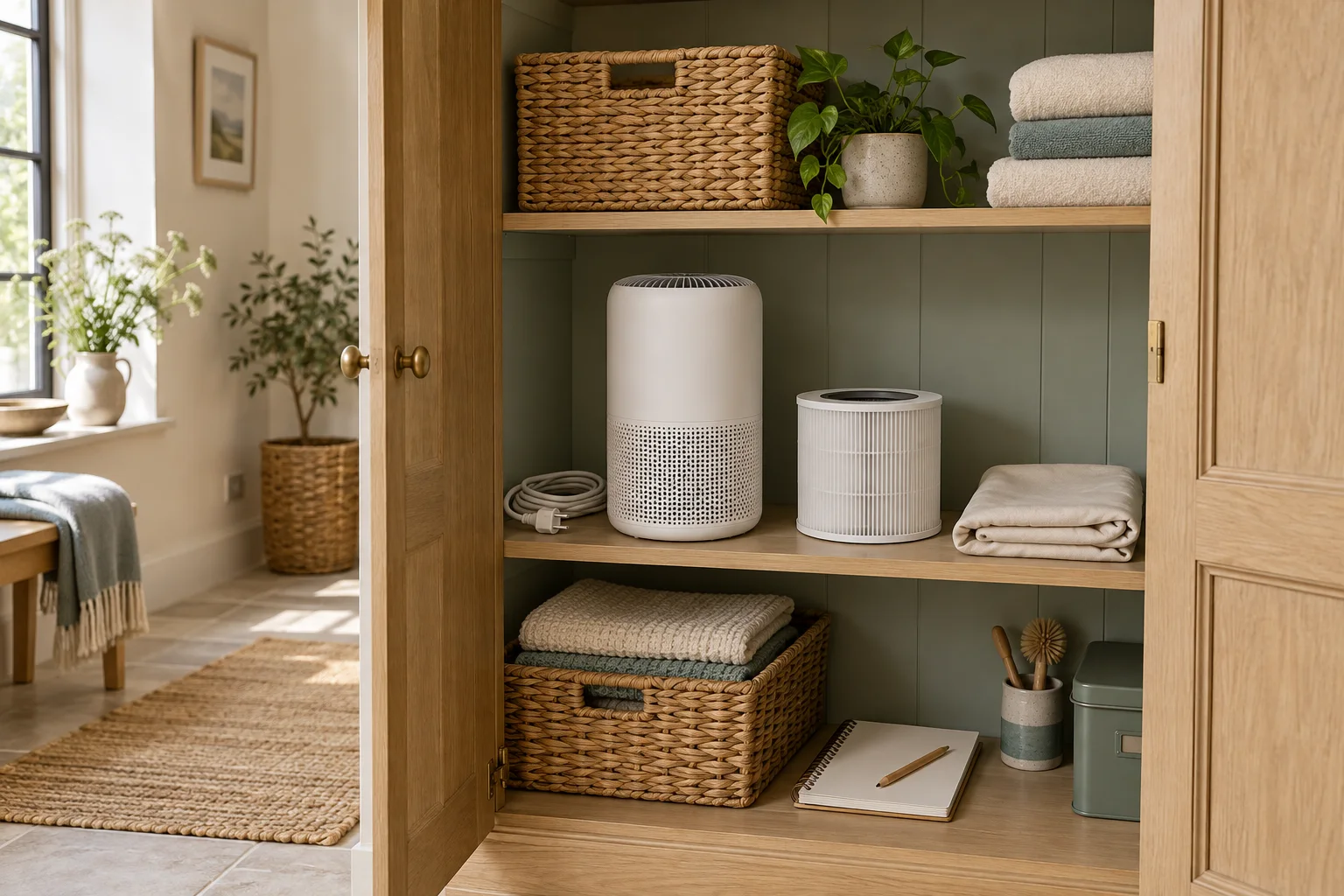
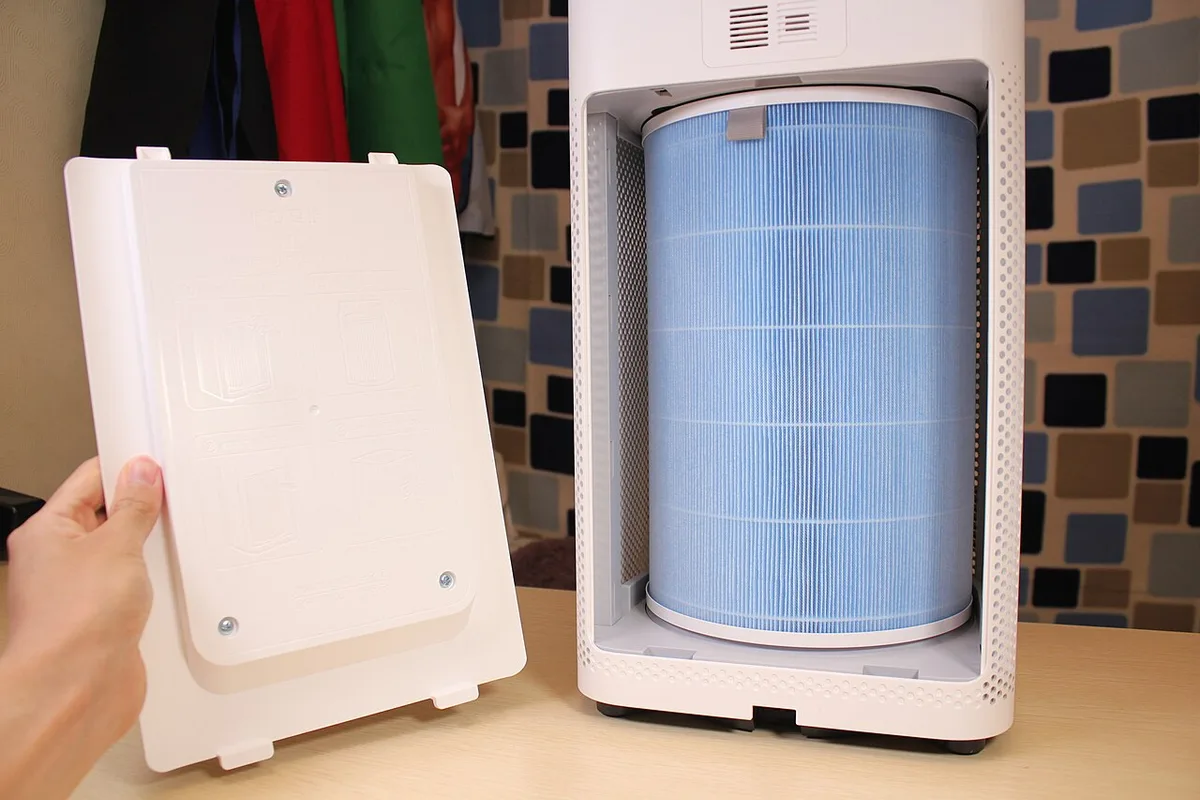
Our filter tool calculates an annualised allowance from your inputs. It does not decide when a filter needs replacement, certify compatibility or include electricity automatically. The photographs illustrate different housings and a separate humidity display; they do not establish a replacement schedule. Return to the model instructions whenever cleaning and replacement are easy to confuse.