Make a seasonal storage record you can use next year
Record the right preparation for a humidifier, dehumidifier or purifier before putting it away, then leave a clear restart note.
Updated:
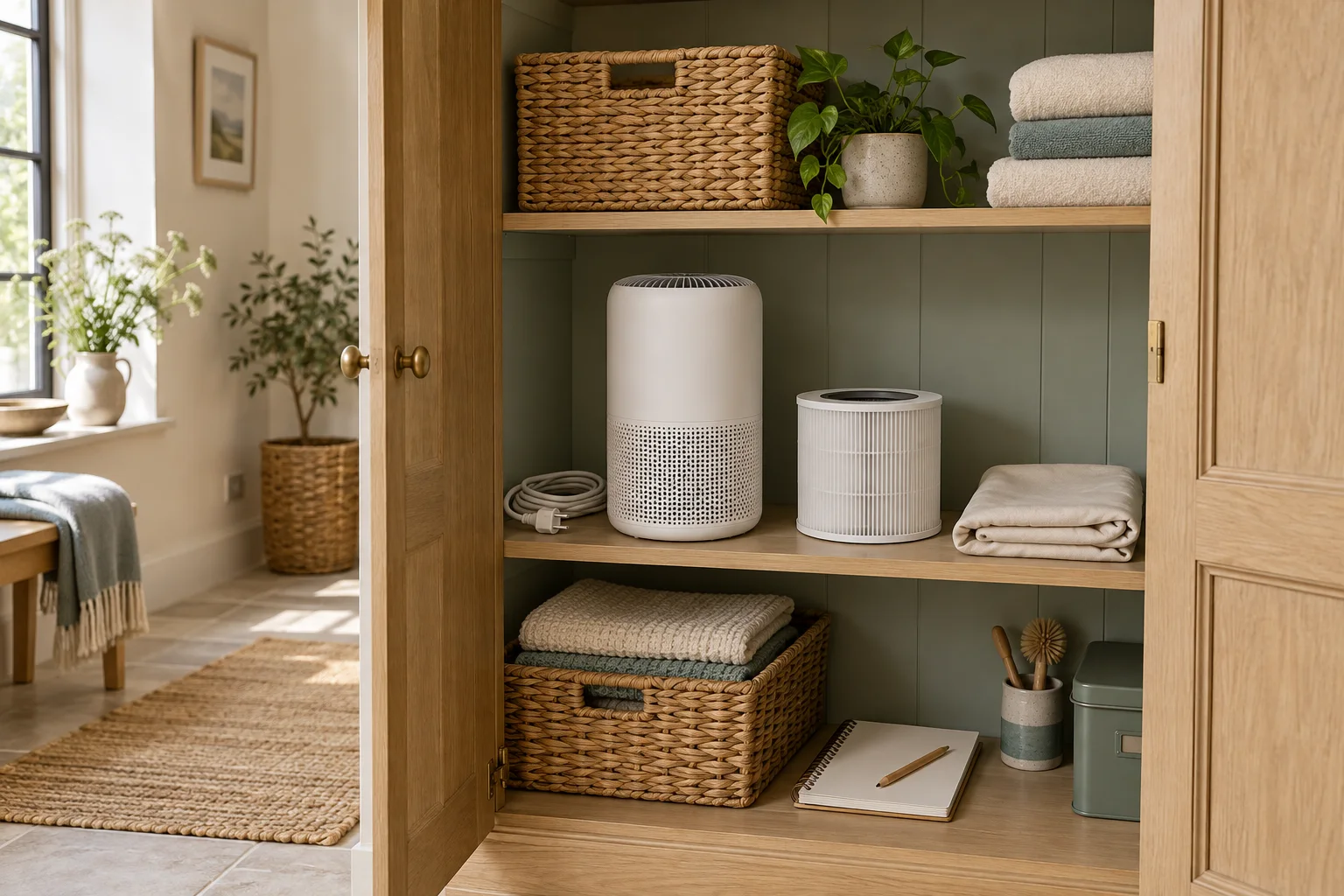
Start with the exact appliance
A useful storage record identifies the model, its manual and the parts that need separate attention. Do not apply a water-appliance routine to every air appliance. A humidifier tank, a dehumidifier collection tank and a purifier filter have different roles, even when the machines share a cupboard during a quiet season.
For example, the Meaco Armin 680 manual gives model-specific drying and storage instructions for its removable components. That is evidence for this model, not permission to dismantle another product in the same way. Save the applicable manual alongside your own record and use its storage section as the procedure. This guide supplies the record structure rather than replacement care instructions.
Meaco Armin 680 manual EN304 ?
Separate cleaning, drying and replacement
Use 3 steps in your notes: identify the component, record the permitted preparation, then record whether it is complete. Keep cleaning and replacement separate. Philips' guidance distinguishes filter types with different cleaning rules, so a generic instruction to wash every filter would be a poor storage checklist.
Mark an unfinished task explicitly. A box labelled ready should mean you have completed the model's preparation, not merely moved the appliance out of sight. If a part needs replacement, note its exact code and the reason. Do not order an apparently similar item from memory or treat a historical photograph as a compatibility guide.
Philips UK: cleaning filters and pre-filters ?
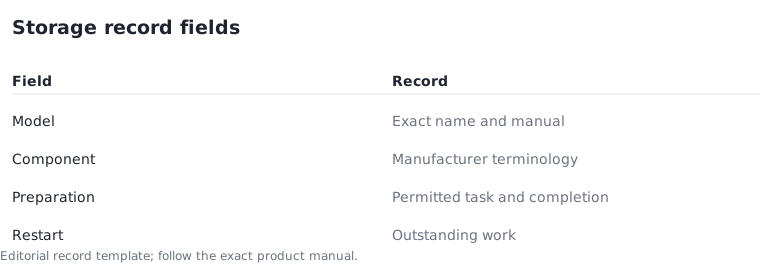
Keep a small component inventory
Record detachable parts and accessories that the manual permits you to remove. A short inventory can prevent a missing cap or misplaced tray from becoming a mystery at the next use. Keep the manual's component names so that a later support enquiry refers to the same parts as the manufacturer's instructions.
An illustrative inventory might contain 4 entries: the appliance, a permitted removable component, its relevant accessory and the instruction record. Those are record categories, not a claim that every appliance has four removable parts. Photograph your own arrangement privately if useful, without displaying serial numbers or personal household information publicly. Keep parts together only in ways permitted by their instructions.
Write a restart note while the details are fresh
The restart note should say what was done, what remains unresolved and where the instructions are stored. Record the actual date and any replacement you expect to need. A useful note says that a particular part was replaced or a task remains outstanding, rather than simply saying the appliance was serviced when no service took place.
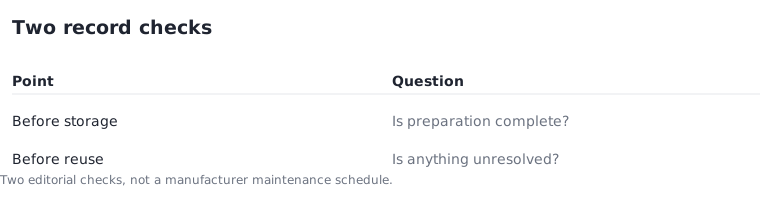
For your own organisation, you could check the record 2 times: once before storage and once before returning the appliance to use. This is an editorial reminder, not a manufacturer maintenance interval. Any damage, missing component or unexplained fault needs the appropriate response before normal use; a completed checklist is not proof that an appliance is safe.
Use the photographs to recognise the different tasks
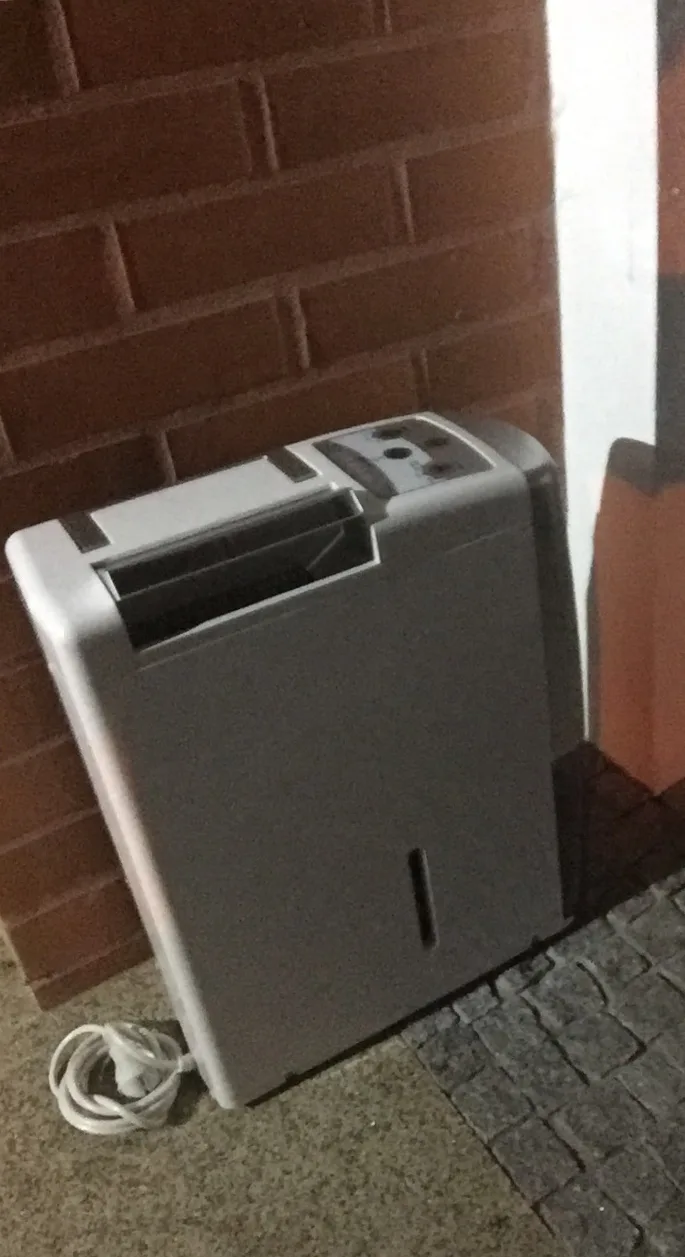
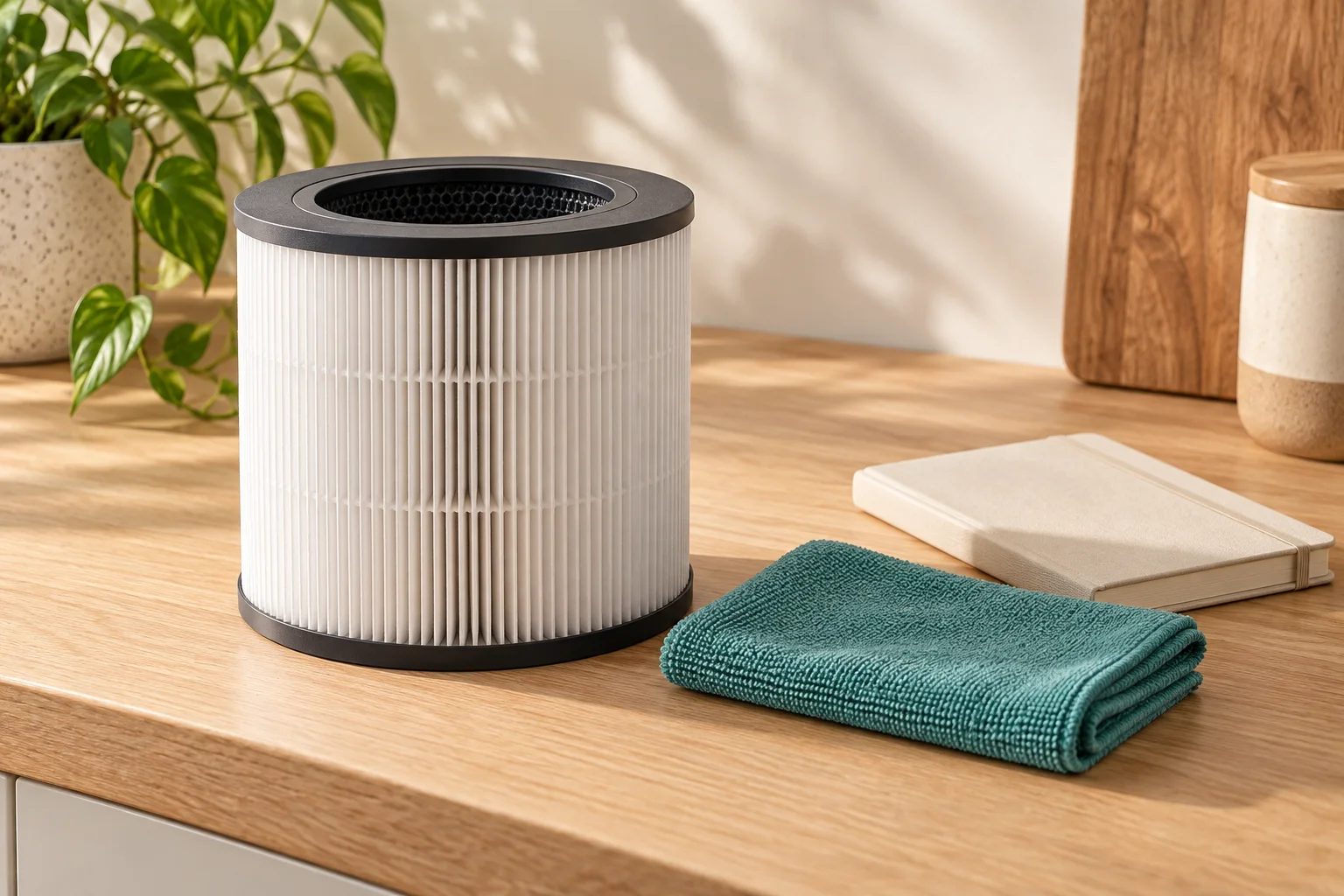
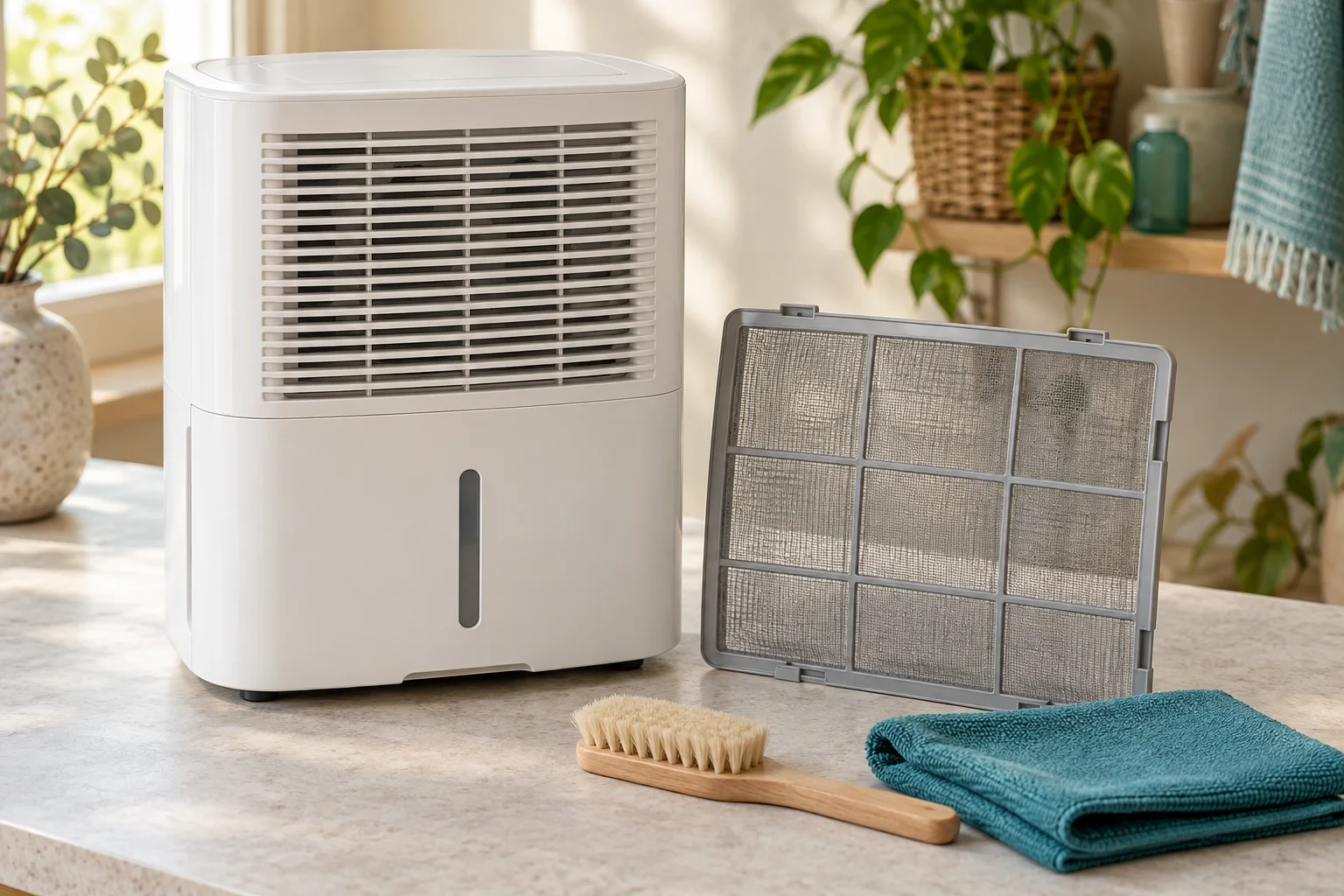
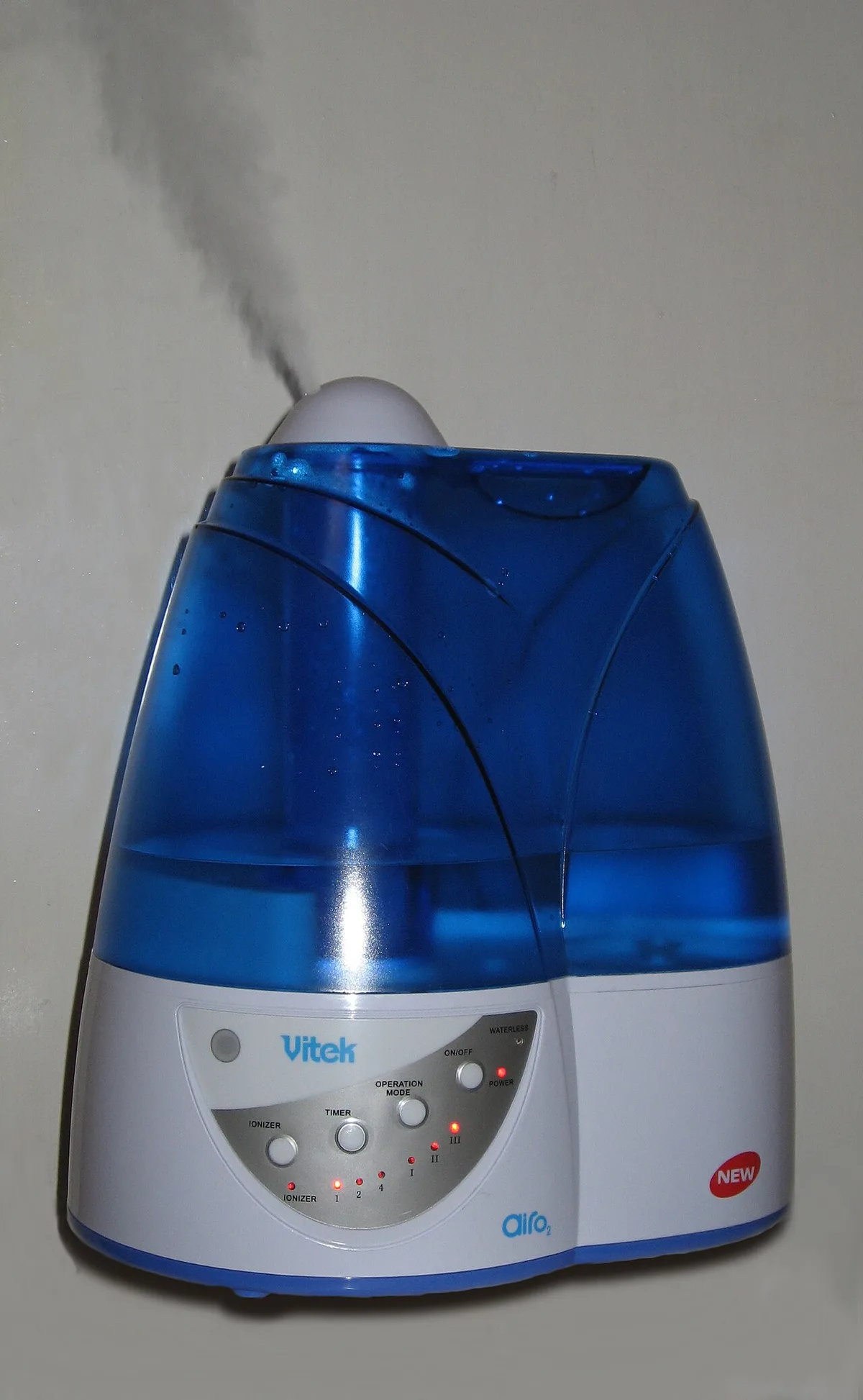
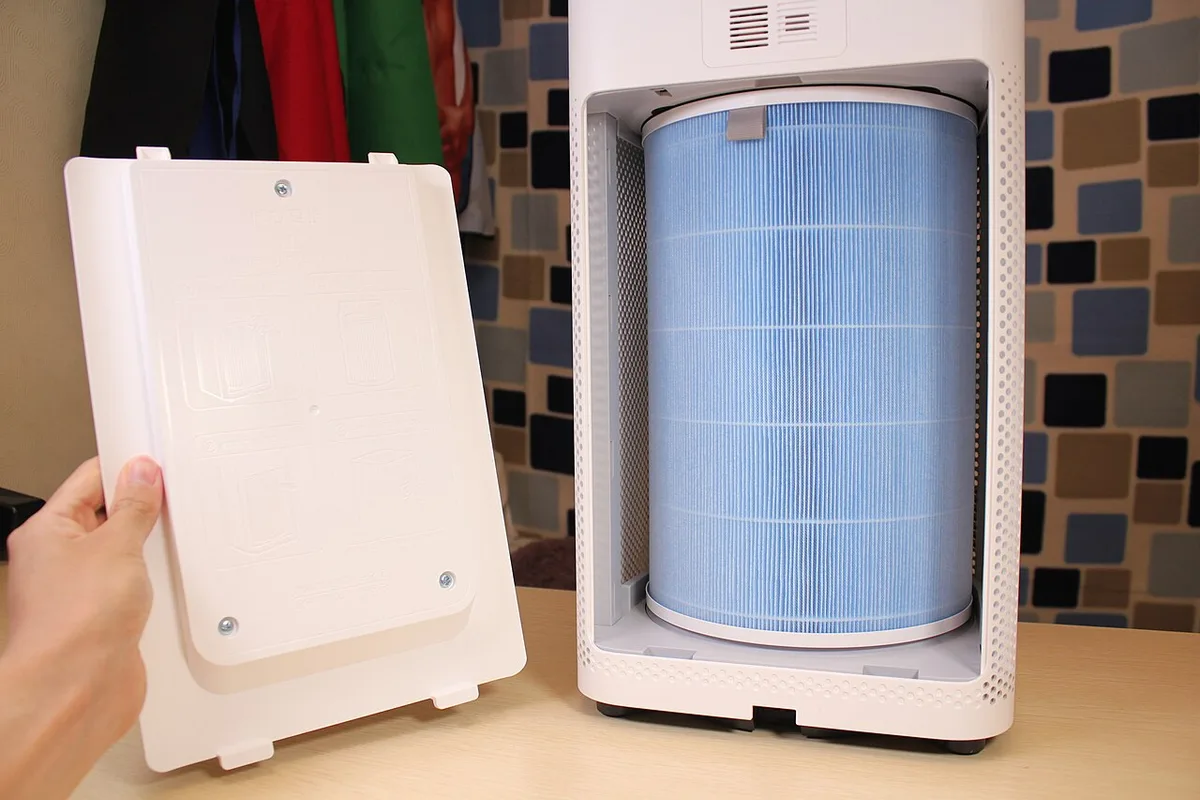
The humidifier photograph shows a distinct water reservoir; the dehumidifier photograph shows a different appliance body and tank arrangement; the open purifier photograph shows a filter compartment. These are three different storage inventories. They help explain why the record starts with component identification, but none supplies the procedure for your own model.
Before closing the record, link to the exact manual, name any unresolved issue and keep the restart note accessible. Use manufacturer support for uncertainty about a component or procedure. A complete record reduces forgotten context; it does not create a universal cleaning method, a guaranteed lifespan or permission to ignore a product warning.