Read CADR with the room-size assumptions attached
Compare the named particle rating, units and operating conditions before treating coverage figures as equivalent.
Updated:
Start with the named rating
AHAM's certified air-cleaner directory distinguishes smoke, dust and pollen clean-air delivery rates. Record which rating a product page is presenting rather than copying the largest number into a generic performance column. If a retailer leaves the metric unexplained, follow the manufacturer's documentation or the certification entry before comparing it with another device.
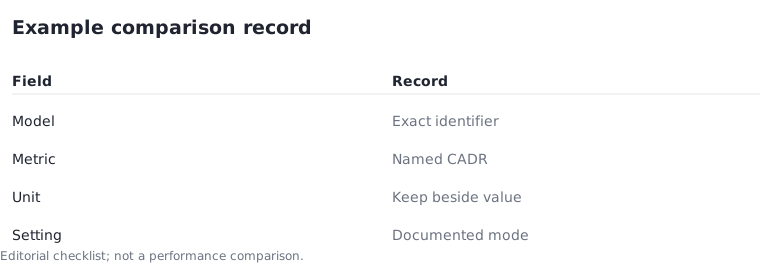
A buying sheet can be short without being vague. Give each candidate its exact model identifier, named rating, units and source date. Keep a separate field for an unverified claim. The aim is to compare like with like, not to create a ranking from numbers that describe different tests or settings.
AHAM Verifide: certified room air cleaners ?
Do not drop the units
Imagine two hypothetical entries both printed as 200. One is labelled m³/h and the other has no unit at all. They are not ready for comparison. A number without a unit should remain an unanswered question. Do not assume that a value in cubic feet per minute can be copied into a metric calculation unchanged.
Use a 3 steps check: identify the metric, confirm its unit, then confirm the operating condition. If any step fails, ask for the specification rather than guessing. This routine is particularly useful when comparing a UK product page with an overseas review or an older brochure whose regional model name looks similar.
In a rate expressed as cubic metres per hour, the time basis is 1 hour, or 60 minutes. Keep that basis attached to the volume. A delivery rate is not the same quantity as the volume of the room itself.
Ask how the suggested room was defined
AHAM states that its certification programme's suggested room size is based on 4.8 equivalent air changes per hour. That is a programme-specific basis, not a universal recommendation for every home or health concern. Other coverage figures may use different assumptions. Keep the basis beside the area rather than stripping it away for a neat comparison chart.
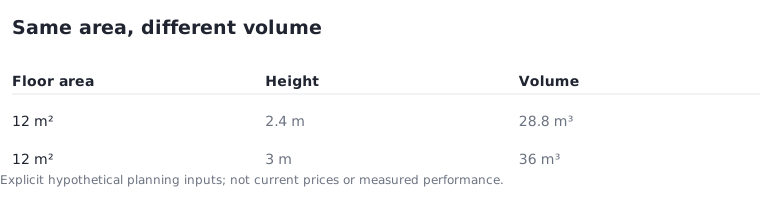
Ceiling height also belongs in the room record. A hypothetical 12 m² room with a 2.4 m ceiling has a volume of 28.8 m³; the same floor area with a 3 m ceiling has a volume of 36 m³. This arithmetic explains why equal floor areas need not describe equal volumes. It does not prescribe a required cleaner.
AHAM Verifide: air changes per hour FAQ ?
Keep the setting in the picture
A product may offer several fan settings, an automatic mode and a quieter mode. Ask which setting the published rating describes and whether a rating exists for the setting you expect to use. Do not carry a maximum-performance number into a quiet-mode comparison unless the documentation supports that exact combination.
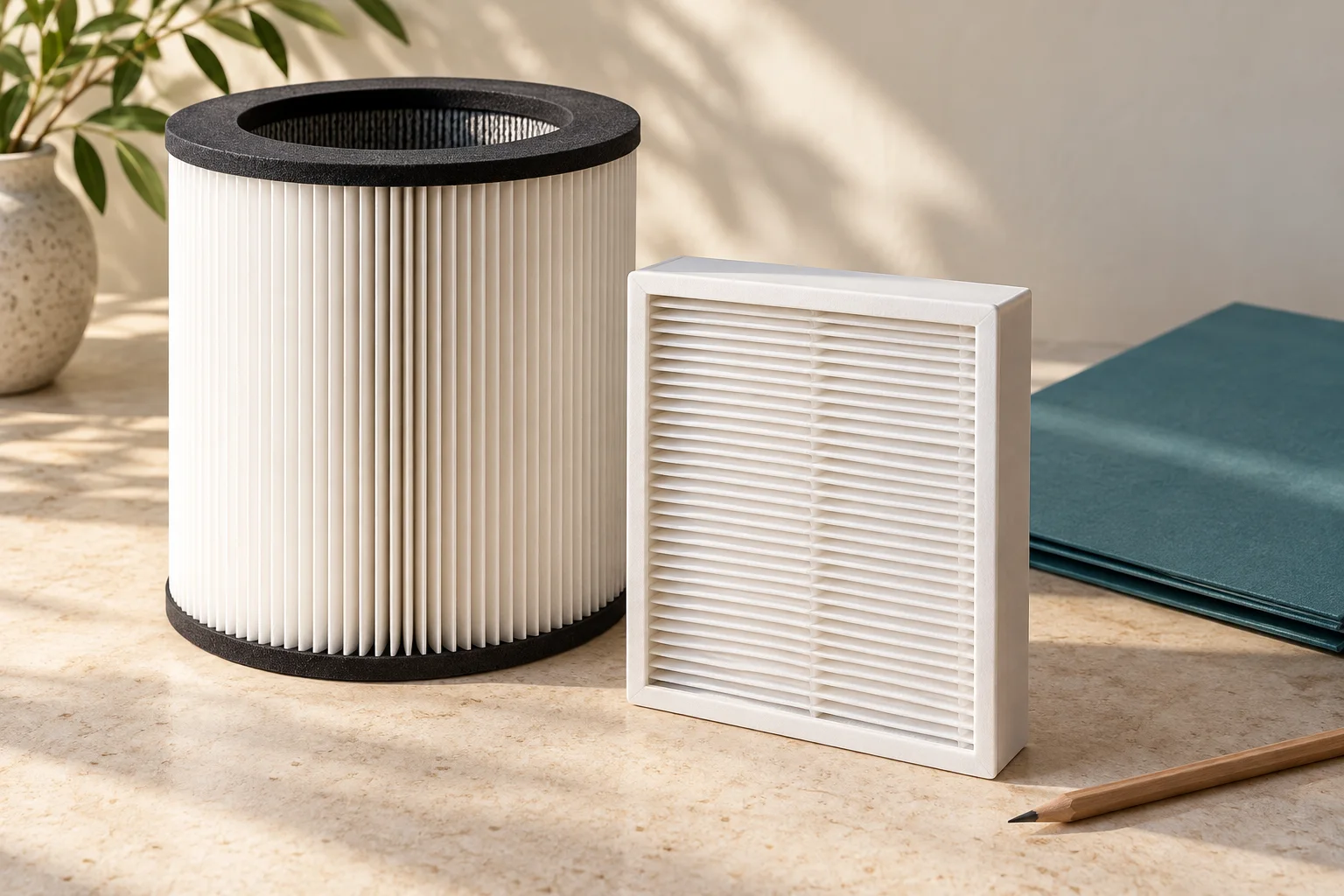
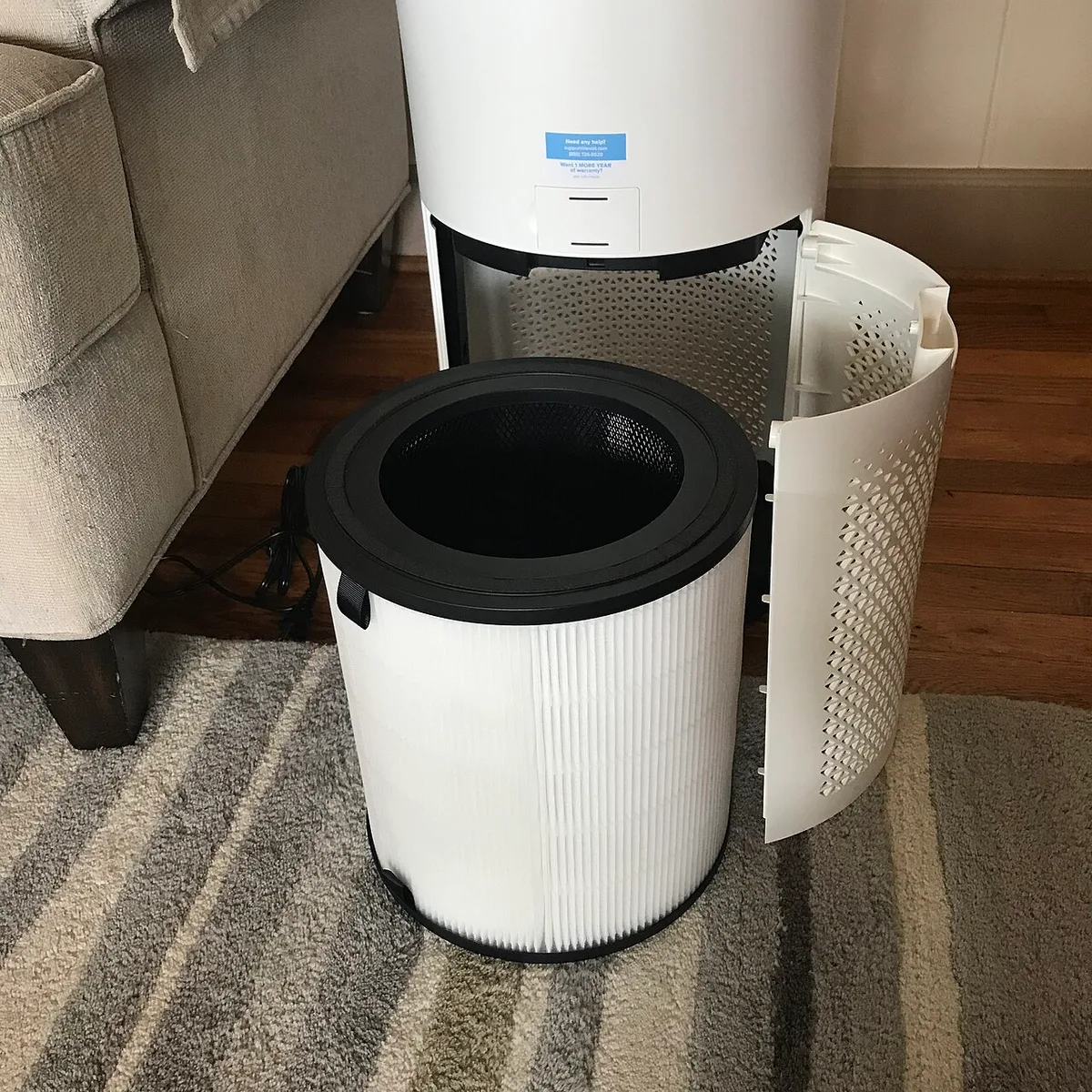
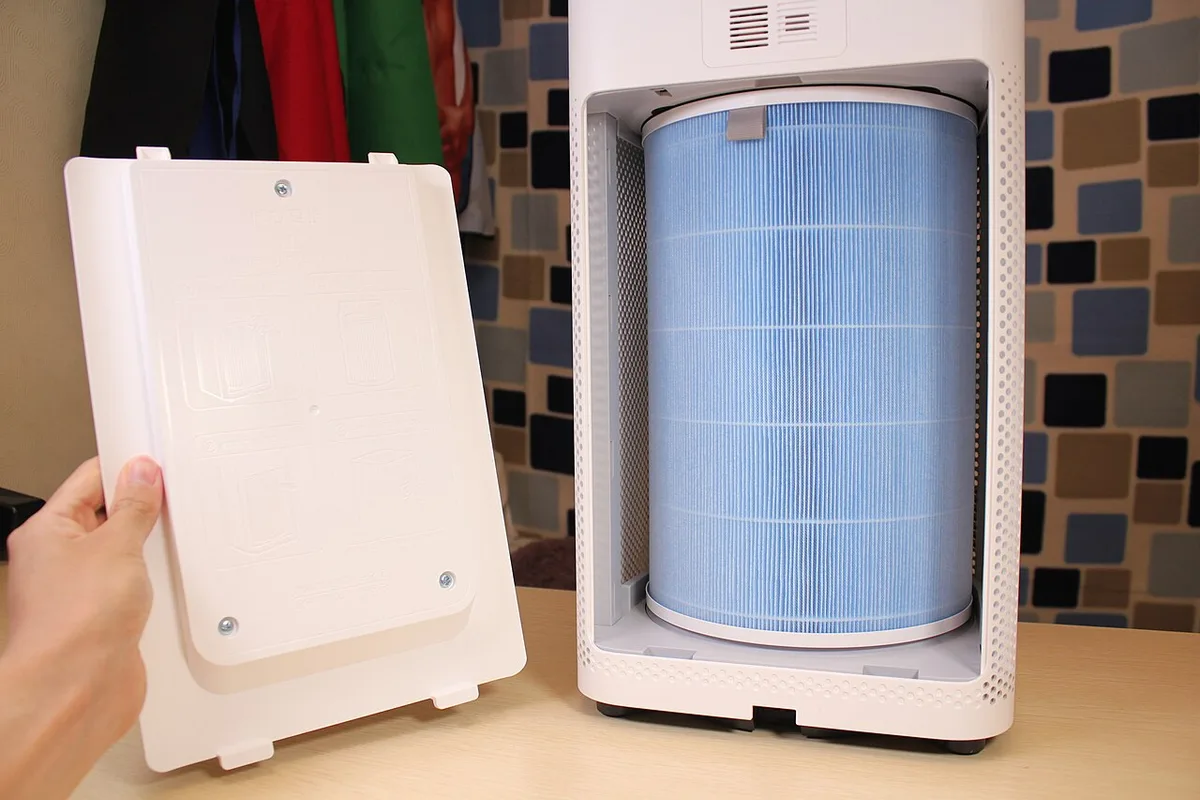
Write a separate row for each documented setting rather than merging noise, power and cleaning figures from different modes. If the source only provides a maximum, label it accordingly. The historical filter photographs illustrate physical construction and access; they are not laboratory evidence for a particular clean-air delivery rate or a current purchase recommendation.
Turn missing information into a question
Finish the comparison with 3 questions: which rating is this, under which conditions, and for which exact model? Save the official source link and the date checked. If two documents conflict, preserve both references and ask the manufacturer to reconcile them. An unresolved cell is more honest than an invented average.
Use the result to narrow the questions you need answered before ordering, not to promise a health outcome. Room layout, use and the actual operating setting still matter. A certification entry can support a particular performance claim; it does not replace the product manual, a room assessment or appropriate advice about a persistent indoor-environment concern.