Build a humidifier cleaning plan from the component list
Keep tank, pad and sensor instructions separate so a convenient reminder does not become the wrong procedure.
Updated:
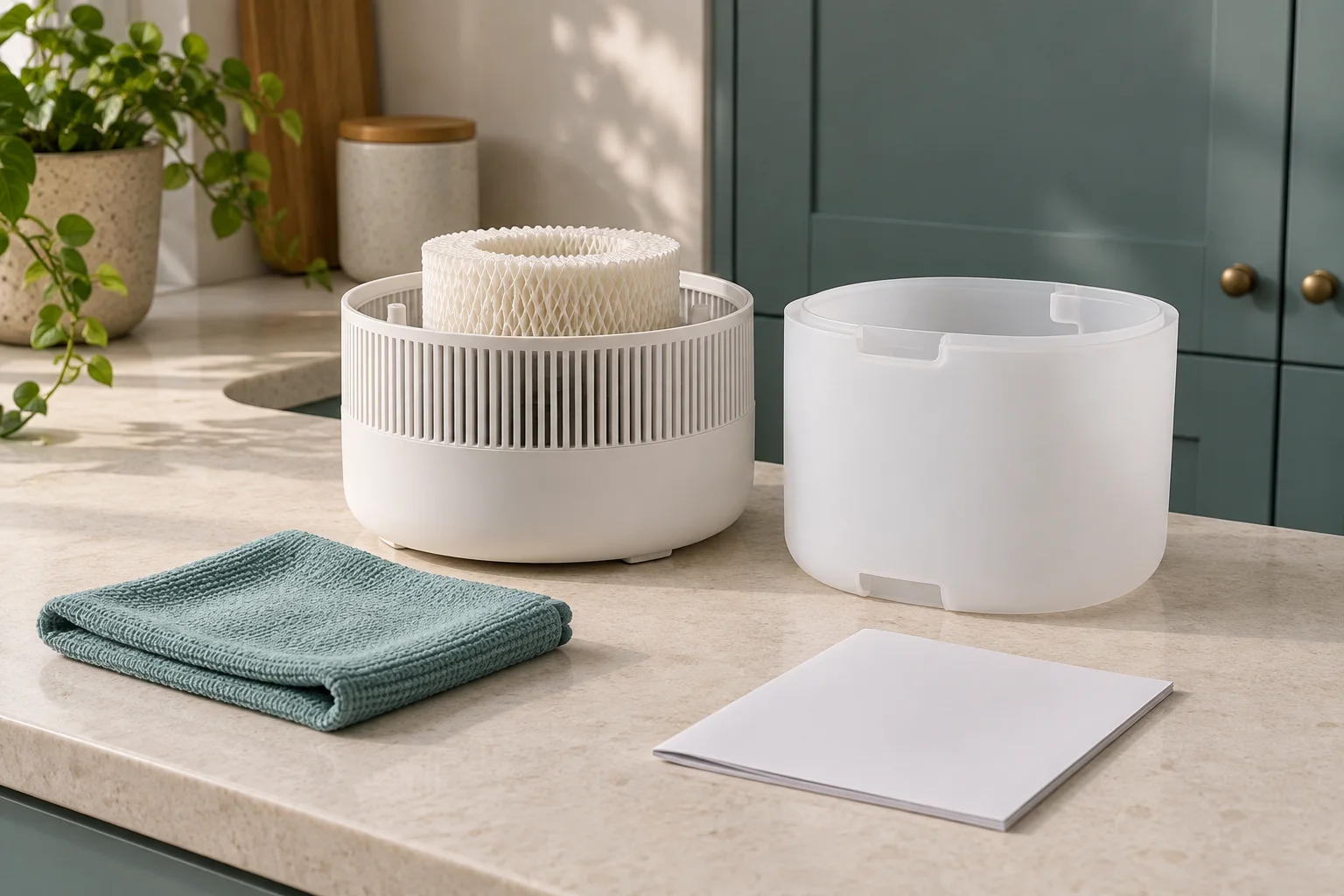
Use one model and one manual
The Meaco Armin 680 EN304 manual gives different care instructions for its water tank, evaporation pads and humidity-sensor filter. It also requires unplugging before cleaning. This is a useful example of why a single reminder saying “wash the humidifier” is too vague. The correct task depends on which component you mean.
Find the manual that applies to your exact model and read the maintenance section in full. This guide organises the information; it does not replace the procedure. Do not borrow a cleaning solution, dishwasher instruction or disassembly step from another device. If the diagram does not match the appliance, resolve that mismatch before carrying out maintenance.
Meaco Armin 680 manual EN304 ?
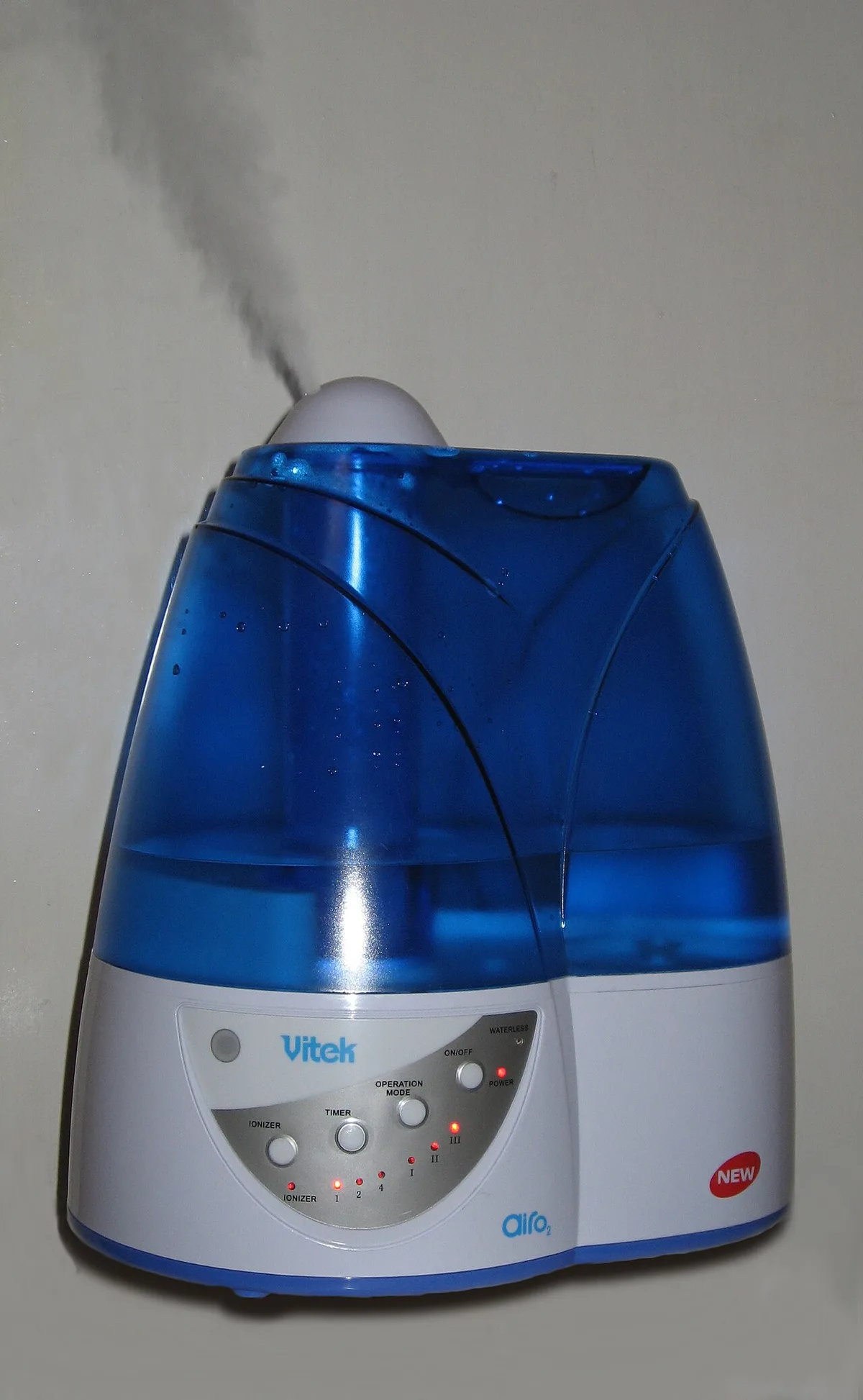
Create a component table
Use 3 steps to build the table: identify the component, record the permitted method, then record the trigger or interval stated by the manufacturer. Include any required drying or reassembly condition. Keep the source page beside the entry so you can check the full instruction rather than relying on an abbreviated reminder.
Review the table 2 times against the manual before using it. This is an editorial checking habit, not a new maintenance standard. A tank, wick, pad and sensor cover may look like washable household items while having different restrictions. The table should preserve those differences instead of smoothing them into one convenient routine.
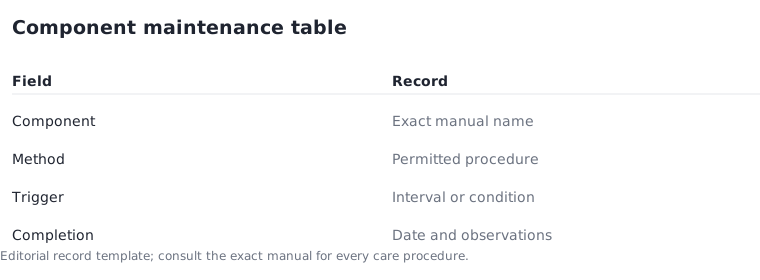
Make reminders describe the actual task
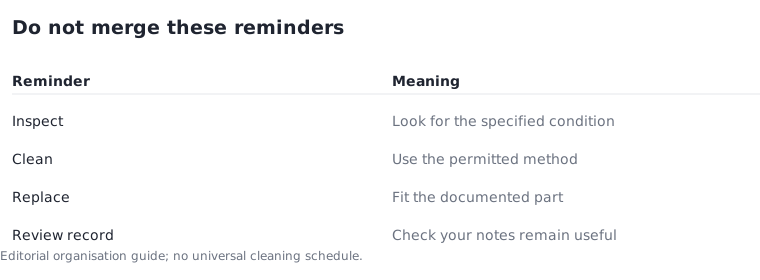
Name the component in the reminder and link to the relevant manual section. Distinguish inspection, cleaning and replacement. If an instruction depends on local water conditions or visible deposits, retain that condition. Do not turn a conditional task into a fixed calendar rule merely because a phone reminder needs a date.
For your own administration, you might review the record after 30 days to check whether it remains understandable. That is a paperwork review, not the cleaning interval for the appliance. The actual care schedule comes from the model instructions. If somebody else will perform the task, make sure they can find both the reminder and the original document.
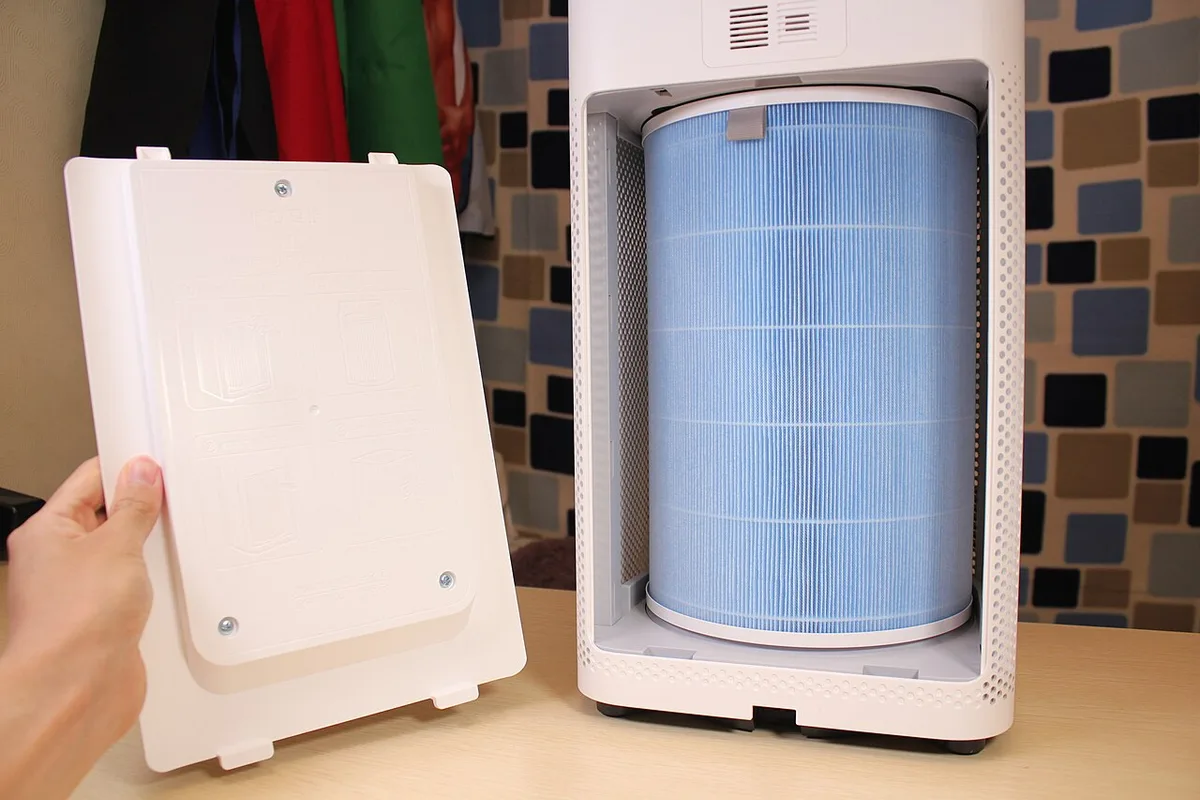
Keep chemicals and electrical parts out of guesswork
Use only the methods and materials permitted for the relevant component. Do not combine cleaning products or improvise concentrations from an unrelated online tip. Follow the model's instructions for power isolation, handling and drying. If damage, leakage or an unexplained condition appears, stop and use the appropriate manufacturer support route.
A maintenance record should capture what was done and when, not encourage experimentation. If you need clarification, write a precise question naming the component and manual section. Keep the response with your records. This is more useful than an undocumented habit that later becomes difficult to explain or repeat safely.
Separate care from performance claims
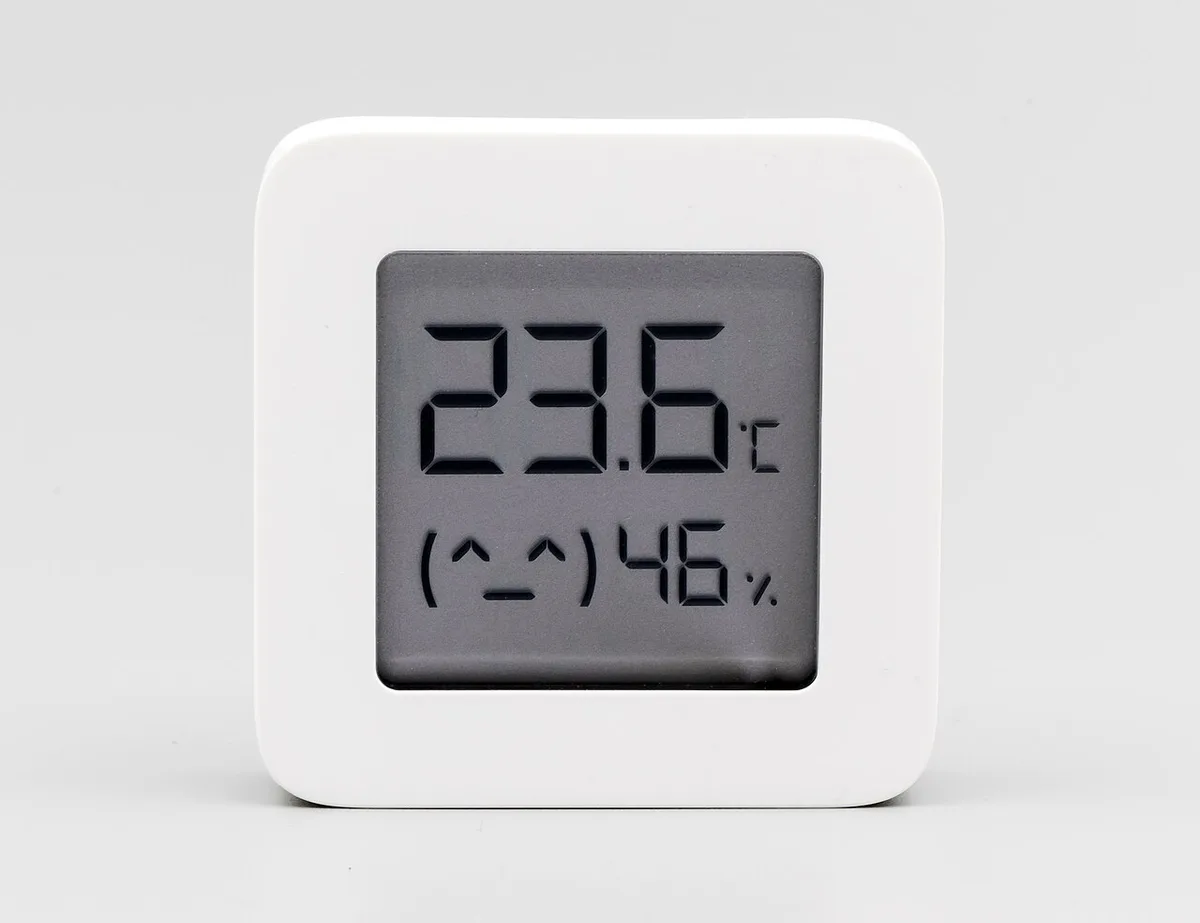
Completing a cleaning task does not prove that the whole room has reached a safe or healthy condition. Keep environmental observations and appliance care in separate notes. A humidity display can show a value, but the value does not confirm that a tank was cleaned correctly or that another component is ready for reuse.
The historical ultrasonic humidifier and two other photographs illustrate different components and measurements. They are not a demonstration of the cited Armin procedure. Use them to recognise the questions you need answered, then return to the exact manual. A clear component table should make ownership easier without claiming that all humidifiers share the same requirements.